For children ages 1–10
PlayProfile builds a personalised toy and book registry based on how your child plays, learns, and grows — so every gift actually gets used.
Why PlayProfile exists
Every parent knows the feeling
A few months ago I was chatting with my sister about a birthday party where a friend's child received three of the same gift. We laughed and thought — there should be a children's gift registry, like there is for weddings and baby showers. And then: we could do this. It turns out registries for children exist in various forms, but as a child development and education enthusiast, I thought we could do it better. What if we incorporated learning and development, cultural preferences, sensory sensitivities, and other specifications that would not only reduce duplicate gifting, but tailor gifts to build the specific skills your child excels in — or needs help with — and align them to how your child actually plays?
The second inspiration: I was at a friend's house when their kids turned on a large plastic floor piano. It was loud, flashing, and immediately unwanted by every adult in the room. My friend said: “This is a toy only a non-parent would give.” It sat on the floor, unused. What a waste — of money, of space, of a well-meaning gift. We each have unique values, preferences, and realities at home. PlayProfile was built to respect all of them.
PlayProfile exists to fix both of these problems.
What makes PlayProfile different
Not every 3-year-old wants the same toy
Play style matched
We identify how your child naturally plays — whether they build, create, move, imagine, perform, or solve — and find products that fit.
Developmentally considered
Every recommendation accounts for where your child is right now — physically, cognitively, and socially — and where they are headed.
Family values and sensory considerations
Noisy toys, bright lights, screen time, space constraints, play philosophy — all factored in before a single product is recommended.
Curated by a real person
Every PlayProfile is reviewed by a real person before it reaches you. The algorithm finds the matches. A person checks the work.
Play styles in action
Every child plays differently
These examples are drawn from the 3–4 age band, one for each play style, each shaped by a different play philosophy. In a real PlayProfile, every activity idea and product recommendation shifts based on your child's age, developmental stage, play style, and your family's chosen approach to play.
 Physical Movement
Children who lead with physical movement learn best when their whole body is involved — running, climbing, building coordination through joyful, repeated action. This play style develops gross motor skills, spatial awareness, and the neurological foundations for focus and self-regulation.
.png)
Wavee Board
Sarah's Silks
Rolling, balancing, and rocking with rhythm — the Wavee Board builds grace and coordination through joyful, repeated movement practice. No instructions, no right way — just a beautiful piece of sustainably sourced beechwood that grows with your child.
Example recommendation
 Pretend & Role Play
Pretend play is where children rehearse the world — taking on roles, building narratives, and practicing empathy through characters and stories. It develops language, emotional intelligence, and the social scripts children need for real relationships.
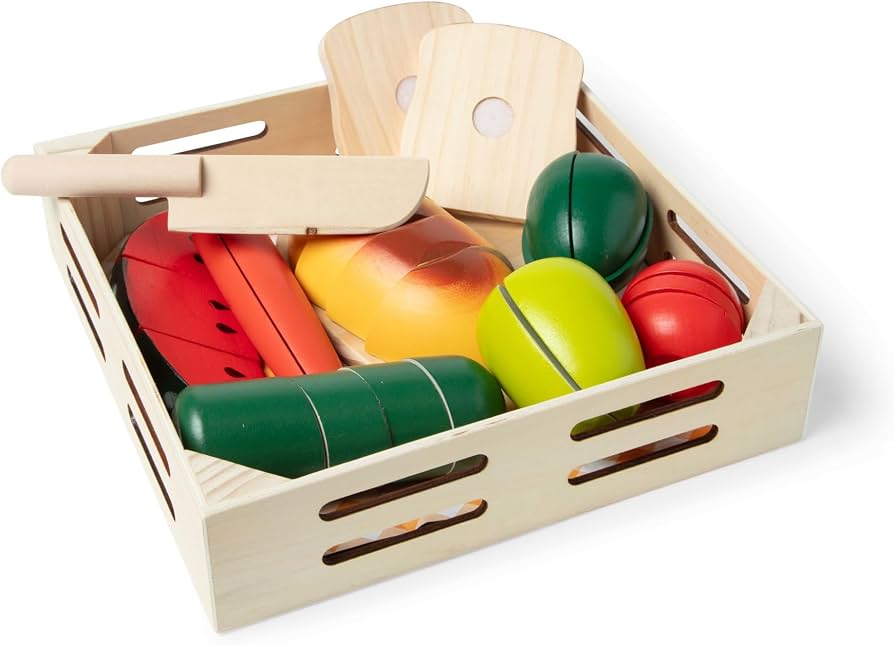
Cutting Food Play Set
Melissa & Doug
Open-ended kitchen play that sparks narrative imagination — children assign roles, tell stories, and build social language naturally.
Example recommendation
 Building & Constructing
Builders think in three dimensions — they plan, test, and problem-solve through the physical act of making things. This play style builds spatial reasoning, persistence, and the satisfying experience of turning an idea into something real.
.jpeg)
DUPLO Classic Brick Box (65 pieces)
LEGO
Open-ended building with no fixed outcome — children plan, build, problem-solve, and start again at their own pace.
Example recommendation
 Creative & Expressive Play
Creative play gives children a language beyond words — through drawing, making, and visual expression they develop their own aesthetic intelligence. It builds fine motor precision, original thinking, and the confidence to make something uniquely theirs.
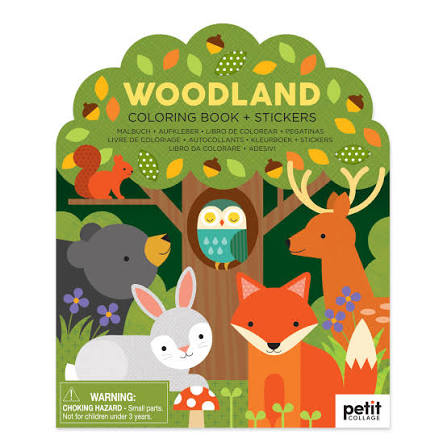
Woodland Coloring Book with Stickers
Petit Collage
Self-directed creative expression with beautiful nature illustrations — builds fine motor precision and artistic confidence.
Example recommendation
 Problem Solving
Problem solvers are motivated by the challenge itself — the puzzle, the mystery, the question that needs an answer. This play style develops logical thinking, persistence through difficulty, and the deeply satisfying experience of figuring something out.
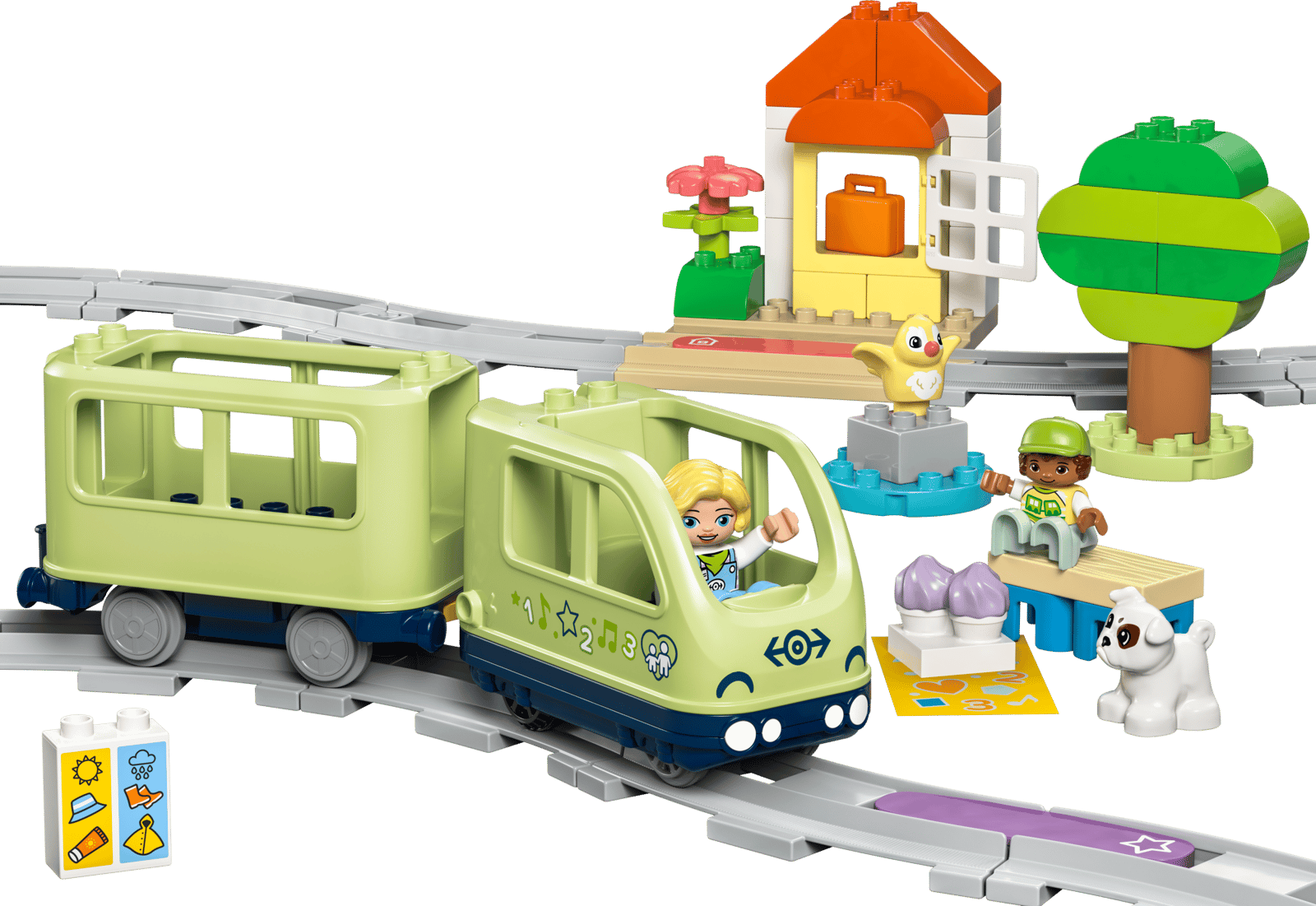
Interactive Adventure Train
LEGO
Cause-and-effect play with real mechanical outcomes — children discover how things work by making them work.
Example recommendation
 Performance & Expression
Performers need an audience and a stage — real or imagined — to explore emotion, storytelling, and self-expression through their whole self. This play style builds confidence, emotional vocabulary, and the ability to communicate with presence and intention.
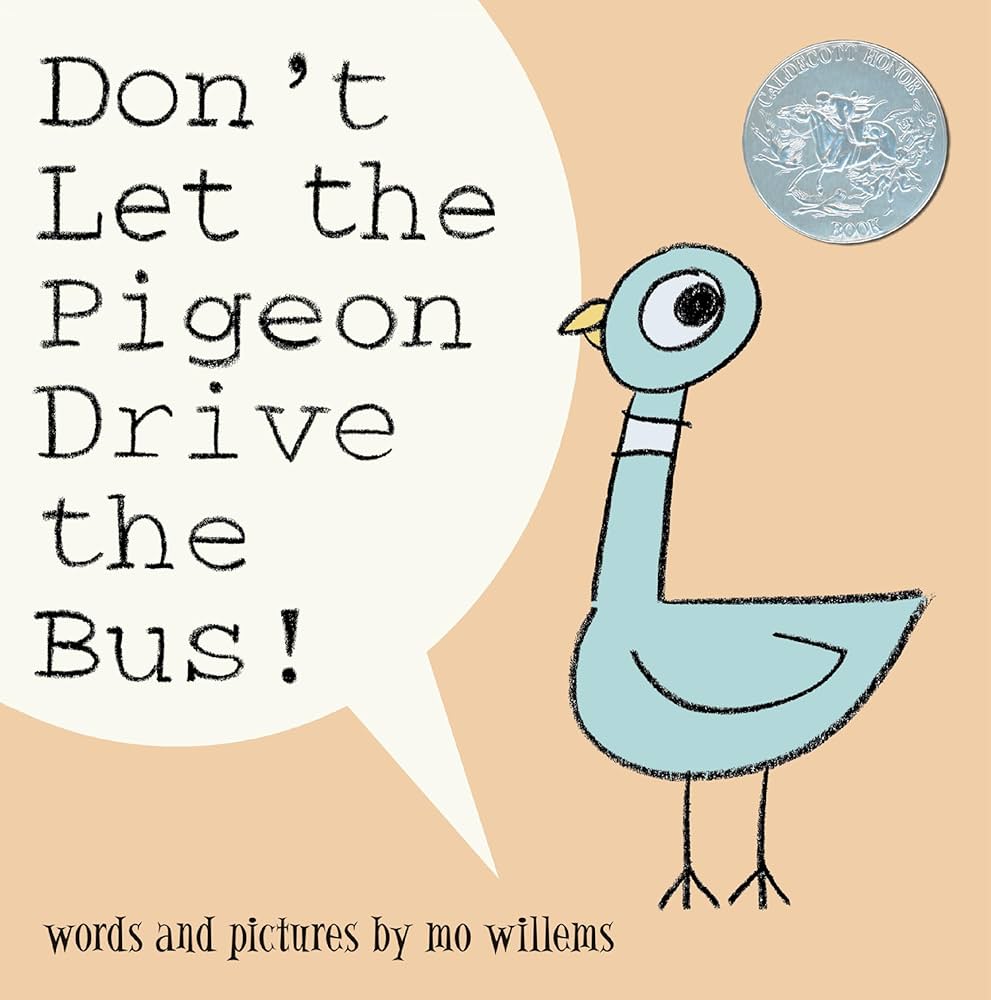
Don't Let the Pigeon Drive the Bus!
Mo Willems
Interactive read-aloud that turns the child into the performer — they shout, negotiate, and act out every page.
Example recommendation
Your child's PlayProfile identifies their play style and finds products that fit.
Ready to build your child's PlayProfile?
It takes less than 10 minutes. No payment required.
Get started